20 Questions You Must Always To Ask About How Much To Replace Guttering And Downpipes Prior To Purchasing How Much To Replace Guttering And Downpipes
How Much to Replace Guttering and Downpipes Gutter replacement requires specific tools and safety equipment. Employing a professional will ensure the project is done efficiently and effectively which reduces the chance of injury or damage to the property. Guttering professionals also provide warranties on the materials and workmanship. You should draw and measure the guttering system before you begin. This will allow you to determine the amount of material you will require. Cost of materials The cost of the components required to replace guttering, downpipes and other parts is a major determinant in the price of an installation of new gutters. To keep installation costs low most homeowners opt for aluminium guttering. Aluminium gutters are more affordable than plastic ones, and they have the added benefits of being rust-proof, durable, resistant and simple to use. Metal gutters and downpipes require less maintenance. This will prolong the life of your guttering system. The cost of installing gutters depends on the style and size of your house, the material used, the accessories and the location where you put the gutters. For instance, a one-story home will have lower installation costs than a multi-story home. Installation costs also vary depending on the type of gutters you choose and whether they're seamless or sectional. Certain gutters are more expensive than others, like ones made of zinc or copper, which can cost up to $16 per linear foot. Besides the cost of the gutters, you'll need to consider the cost of downspouts as well as other accessories. Typically, professionals include downspout pricing in their total estimate for installing gutters. Downspouts help direct water from your roof into the gutters and then away from your foundation, preventing damage. There are various lengths of downspouts that are available, but your gutter system should have at minimum four. Downspout extensions are a different option to increase the length of your gutter system. They cost anywhere from $5 to $20 per downspout on average. Add downspout screens or foam to your gutters in order to increase their effectiveness. These products prevent ice dams and reduce the amount of debris that gets stuck in. They also work at preventing rodents entering gutters. Gutter aprons can be another method to protect the gutters, and they cost $1 to $4 per linear foot. While some homeowners can install their own gutter systems, the majority of the time it requires hiring a professional. A professional gutter installer will inspect the condition of your soffits and fascia before providing you with an estimate. If the fascia and soffits are damaged or rotted, you will need to replace these components before installing gutters. Cost of labor Gutters and downpipes safeguard your roof from damage caused by moisture. It's important that you repair your gutters immediately in the event that they're damaged. This will help prevent future issues. The cost of fixing your gutters will depend on the material type and the size of your roof. Aluminum, vinyl and steel are the most popular guttering material. Aluminum is a lightweight material and doesn't rust. However, it is prone to crack over time. It is cheaper than other options for guttering. Vinyl gutters can be inexpensive and sturdy, but they decay when exposed to ultraviolet light. You can install gutters on your own, but it is best to get a professional to do the task. They'll have the equipment and know-how to complete the job efficiently and correctly. They will also know how to repair gutters and downspouts in the event that they're damaged. If your downspouts have become blocked and the experts suggest adding a second downspout in order to improve efficiency. A new downspout will cost between $5 and $10 for installation. Based on the condition of your downpipes and gutters depending on their condition, you may need to replace them all over or repair them. It is necessary to first clean the gutter and seal it with waterproof sealant. Let the gutter dry for a few days before using it again. It is essential to measure your gutter system before you purchase the materials. This will ensure that you have enough materials to complete a gutter system. You can utilize your smartphone to take photos or draw a sketch to assist you in determining the dimensions. Make sure that you have all the measurements. Other costs associated with gutters and downpipes are paint, screens, gutter guards, and rainwater collection systems. These add-ons can increase the lifespan of your gutters and protect it from clogging. In addition, they can provide a stylish look to your home. Cost of equipment If you're planning to replace your gutters, you'll need a variety of tools. This includes gutters and downpipes as well as accessories such elbows and downspout connectors. Downpipe Services 'll need ladders as well as gloves and protective equipment. The cost will vary based on the kind of guttering you choose and the size of the home. A quality aluminum gutter system is more expensive than a low-cost plastic model. However, it will last much longer and will save money over the long term since it won't need to be replaced as often. Guttering can be an intimidating DIY project however it's an excellent option to reduce maintenance costs and keep your home looking gorgeous. However, it's important to plan and prepare before you begin your project. Make sure you're working on a clear day and have everything you require before you start. If you're not sure what to do next, speak with an experienced gutter expert for advice. Also, you'll need to think about the cost of labor. The cost will vary based on your location. Local taxes and labor costs could affect your gutter installation cost. Also, the height of your home will impact the cost of labor. Two-story houses, for instance, require specialized tools to construct and are more difficult than one-story homes. When choosing a guttering system take into consideration the amount of rain that falls in your area. If you live in an area with a moist climate, you'll need select gutters that are made for heavy rain. This will ensure that your gutters and downpipes are not clogged or damaged by heavy rains. If you live in an area with a dry climate you may opt for a gutter system made of copper or zinc. It is fairly easy to remove an old guttering system, but it may be heavy and awkward. The first step is to take the guttering off and then carefully lower it to the ground. The brackets can then be unbolted and each section of the downpipe taken off. Make use of a hacksaw to cut down the length of the gutters prior to cutting them off. This will make it easier to remove them and handle them. Installation time 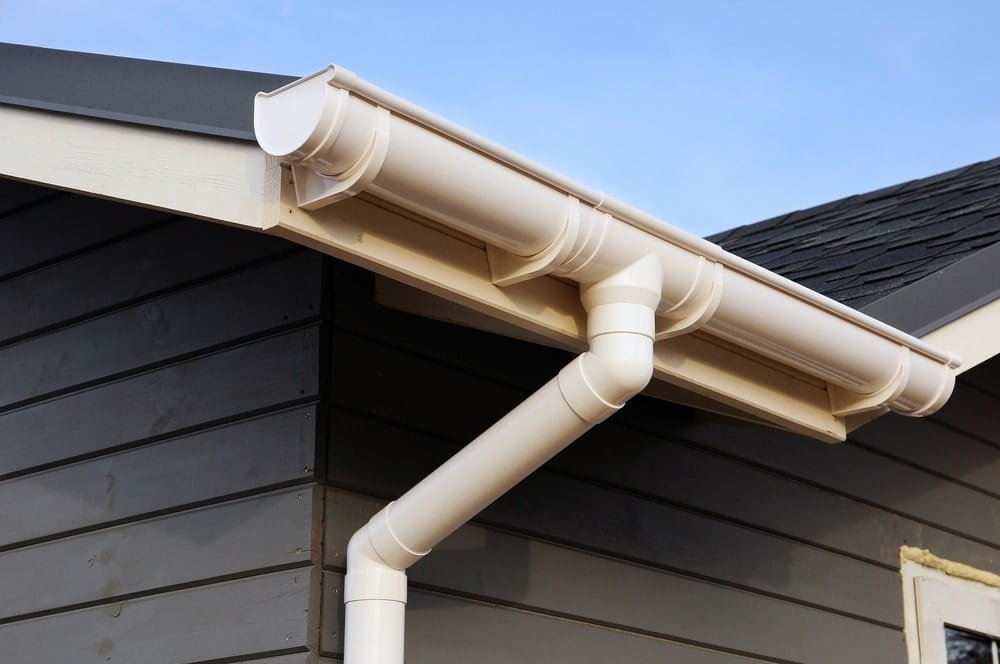 The time it takes to replace guttering and downpipes varies on the type of roof and the condition of the existing components, the accessibility of the eaves, as well as the number and location of outlets. These elements can add to the cost of a replacement guttering project. Gutter professionals use specialized tools to simplify the process and produce precise results. They can also prevent costly errors by ensuring that the new gutters match the old ones to work effectively. Request to see examples of their work, and read reviews from past clients. You can request to see their prior work and read the testimonials from their clients. It is also important to choose an organization that is insured and licensed. This will safeguard you in case any damage occurs during the installation. Before the work begins the gutter installation team will assess the existing gutters and make plans to install the new system. The gutters will be secured to the fascia boards by fasteners and sloped slightly toward the downspouts to ensure optimal drainage. Then, they will test the system and then clean the area of work. It is crucial to use the best quality materials for your downpipes and gutters. Guttering is an essential part of your home’s rainwater management system. Gutters that are not of the highest quality can cause leaks or damage to downspouts or even foundation problems. Installing quality gutters will ensure that your home is secure from water damage for years to come. If your house has low eaves, it may be necessary to add downpipes. They will help drain rainwater away from your house's foundation and will prevent the creation of ponds in the yard. Based on your preferences, you can choose either round or square downpipes. Sealing the joints between your downpipe and your home is a great method to prevent leaks. This can be done with caulk or another sealant. Also, you should check your roof and downpipes for any gaps or cracks and fill them in if necessary.